Intelligent and weather adaptive street lighting.
Smart energy meters in homes and businesses to regulate energy consumption.
Homes feeding any excess solar energy harvested into smart electric grid.
Smart traffic management by discovering emergency routes and intelligently rerouting traffic in case of adverse climate conditions, accidents or traffic jams using smart billboards.
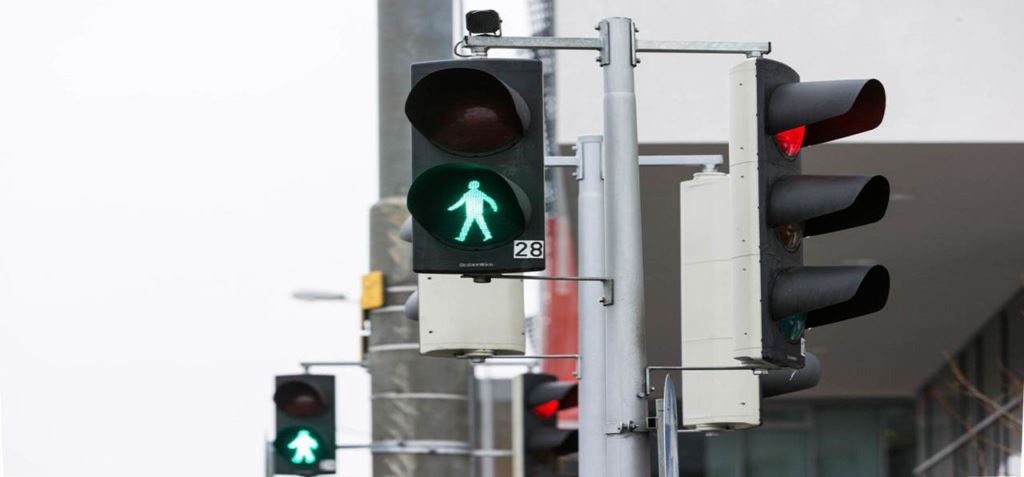
Monitoring vehicle and pedestrian levels to optimize driving routes, traffic lights and installation of overhead walkways.
Monitoring of parking spaces and providing drivers assistance in locating an empty slot.
Video surveillance solutions to monitor crime levels, and automatic-sense-and-respond capabilities to prevent or contain natural disaster damages, and improve evacuation / police / ambulance / fire service response.
Monitoring of vibrations and material conditions in buildings, bridges and historical monuments.
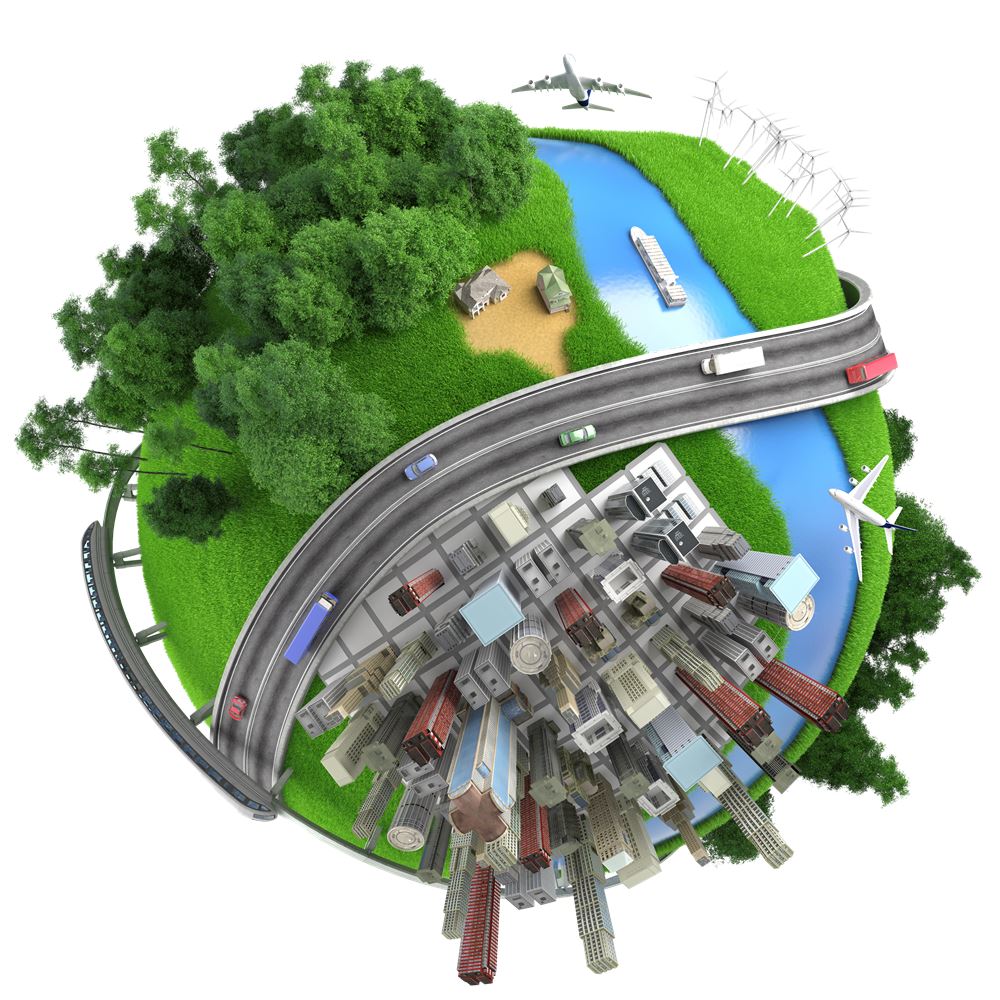
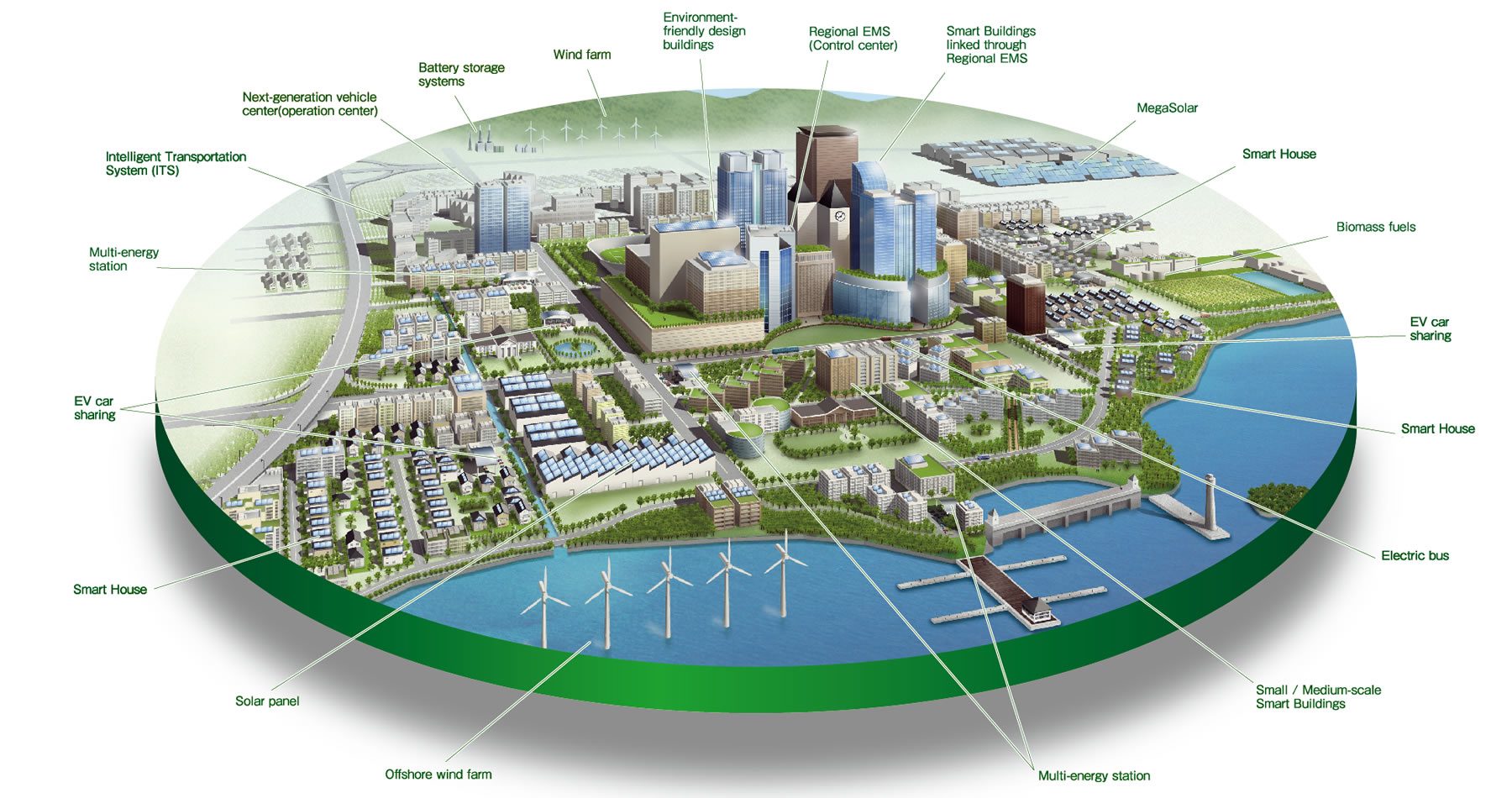
Smart City Concept – Source: DefenseForumIndia.com
Detection of waste type and fill levels in containers to optimize trash collection routes and methods.
Automated tunneling of waste to compost plans in multi-tenant dwelling units.
Automation of waste segregation and treatment plants.
Detection of water leaks using sensors and pipe pressure variation, to fix aging infrastructure.
Monitoring water quality to ensure optimum level of chemicals used to treat water, and detection of impurities.
Smart water meters for better gauging consumption levels.
Storm water and waste water treatment plants.
Monitoring of pollutants and radiation levels in manufacturing and nuclear zones, to generate leakage alerts and avert health threats to local citizens.
Monitoring noise levels in school, hospital and central zones.
Visions for futuristic cities where life-improving technologies proliferate have been around since the dawn of science fiction. Yet flying cars and buildings up in the clouds – typical scenes from The Jetsons – are nowhere in sight. Here we have several plans that are in progress.
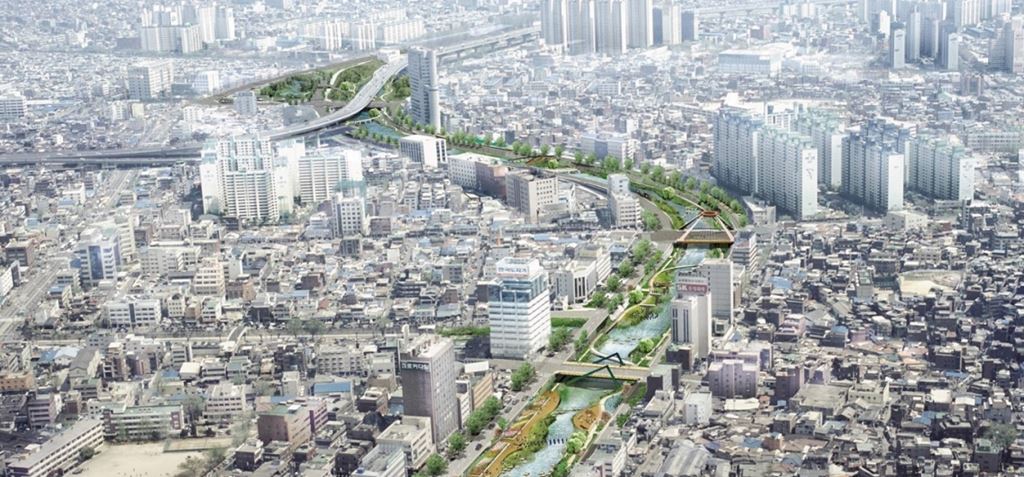
As the world urbanizes rapidly, cities continue to be the physical and social base for people’s prosperity and nature’s sustainability. In recent years, the idea of “smart cities” has grown more prominent as new solutions emerge to address urbanization challenges. Smart cities like Seoul also reorganize public spaces as important assets to improve the quality of life and sustainability.
Our story
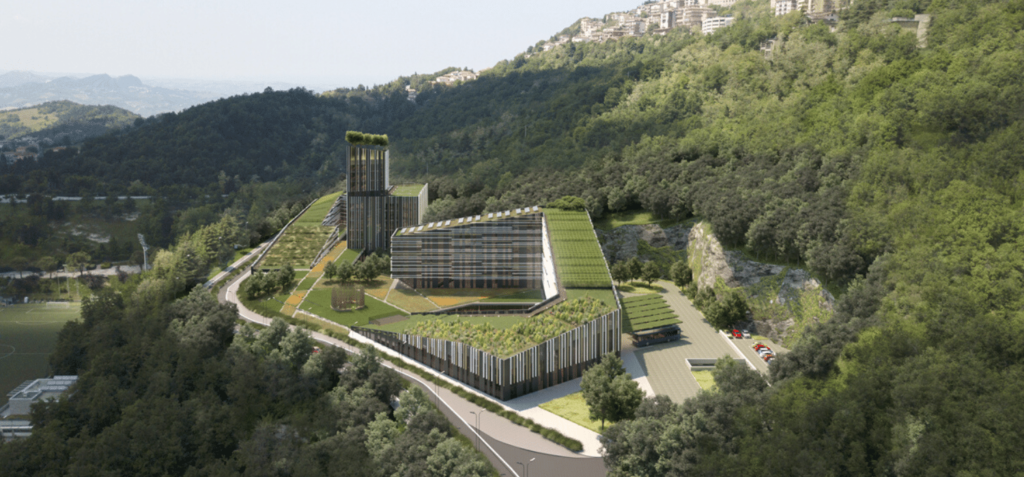
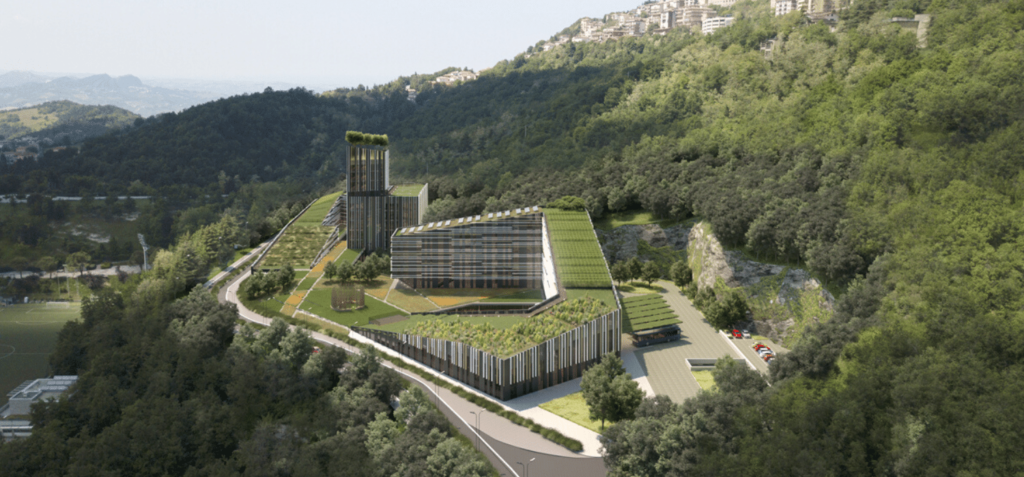
Italian architect Stefano Boeri developed plans for a new, eco-efficient forest city in Cancun, Mexico. The plan calls for the 557-hectare site to contain more than 7.5 million plants, capable of absorbing 116,000 tons of carbon dioxide each year.
Our story
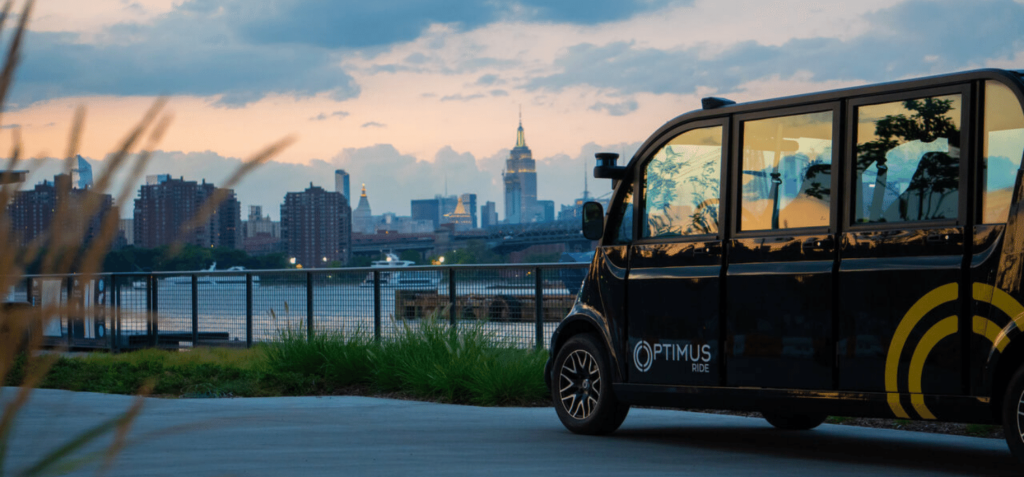
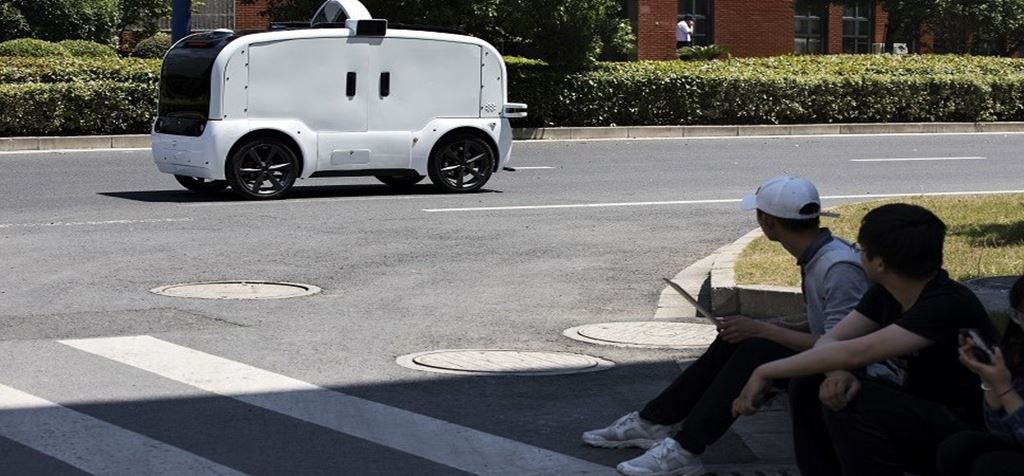
The Chinese city of Guangzhou went a step further, recently granting licenses to five Chinese companies to allow autonomous vehicles on selected streets.
Our storyA lot of the smart-cities technology is like this—it’s changing how we do things, but often not what we do.
Like its brethren S-words “smart growth” and “sustainability,” “smart city” can mean just about anything. I define it as the marrying of the city, in both its urban and suburban forms, to the telecommunications revolution signified by the silicon chip, the Internet, the fiber-optic line, and the wireless network. Because this revolution is so broad, deep and ongoing, it’s impossible to list all the present and future ways these technologies can—and will—reshape how and what cities, and their inhabitants, do. It’s my Fitbit. It’s cameras in plazas; sensors in sewers and water mains; an official in City Hall controlling individual streetlights through a smart grid; cities laying their own fiber-optic lines and creating their own broadband networks, and big companies seeking to stop them through lawsuits and lobbyists. It’s New York City using GPS data from taxicabs to do traffic planning; driverless cars; entirely new cities, such as Songdo in South Korea; a smartphone app that alerts you that a train is two minutes away. And it’s the related data—the big data—collected from these systems.
“The old city of concrete, glass, and steel now conceals a vast underworld of computers and software”
Writes Anthony M. Townsend in Smart Cities: Big Data, Civic Hackers, and the Quest for the New Utopia (W. W. Norton & Company, 2013), perhaps the best book written on the phenomenon.
“Not since the laying of water mains, sewage pipes, subway tracks, telephone lines, and electrical cables over a century ago have we installed such a vast and versatile new infrastructure for controlling the physical world.”
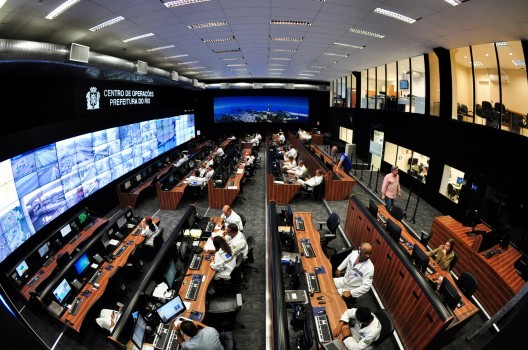
Many of the smart-city initiatives—whether lighting in a building, trains in a subway, drivers on streets, or airplanes in the sky—revolve around collecting information about the moving parts of a system in real time, to allow a central operator more control. Again, this raises the question: who will have that control? Large companies are involved in many of these efforts, and it bears watching how much control or veto power they end up with as city governments contract with them.
“We don’t give them just the data; we give them predictions, and recommendations as to what to do about it,” says Laura Wynter, director of IBM’s Singapore Research Lab.